


Other
Gambia: 50% tax on winnings
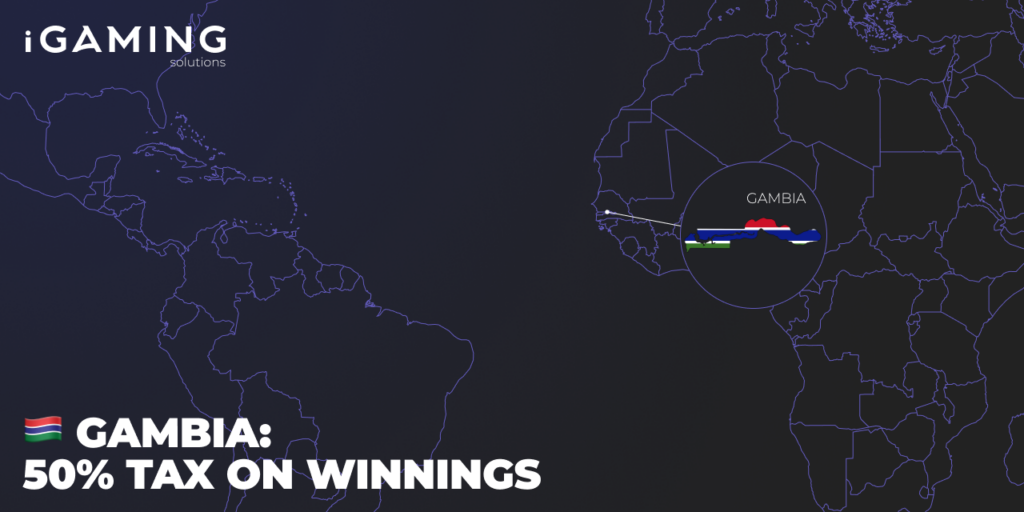
From January 1, 2026, Gambia has introduced one of the highest taxes on gambling winnings in Africa — 50%, up from the previous 40%.
On February 15, operators face the first full compliance deadline, which will show how the market adapts to the new model.
What was introduced
🔵 A 50% tax applies to all winnings
🔵 Coverage: sports betting, casino, lotteries, slots
🔵 Formally, the tax is paid by the player
🔵 In practice, withholding and remittance are handled by the operator
How compliance works
🔴 Monthly reporting
🔴 Filing deadline — within 15 days after the end of the month
🔴 Self-assessment system: the operator declares its own liabilities
🔴 Full responsibility for errors and underpayments lies with the operator
Why the government is doing this
🔵 Increase in fiscal revenues
🔵 Stronger control over the gambling sector
🔵 Response to social risks associated with gambling
🔵 Transition to a more formalized supervisory model
What changes for operators
🔴 The burden shifts toward operational processes
🔴 Tax withholding and accurate reporting systems are required
🔴 Calculation errors turn into regulatory risk
🔴 Player behavior may change due to lower net winnings
Digital oversight
🔵 The government has announced a digital monitoring platform
🔵 Increased transparency and transaction tracking are expected
🔵 Compliance becomes a daily operational task, not a formality
Conclusion
With a 50% tax on winnings, the player’s focus shifts to the net payout. This typically manifests in three ways: lower average bet size, earlier cash-out or profit fixation, and shorter betting sequences — less impulse-driven play.
Offsetting the tax impact with bonuses becomes more difficult: the perceived value of promotions declines, while incentive economics become tighter. Predictable payouts and clear display of tax deductions come to the forefront — helping reduce frustration around taxation and sustain player activity.